
"menopause and caffeine"
80 article(s) found

Drinking coffee aggravates menopause hot flashes
Coffee drinking aggravates menopausal hot flashes and night sweats that affect the lives of about 2pm 3 menopausal women. Drinking caffeinated drinks such as coffee can aggravate menopausal hot flashes and night sweats, a new study has found. Caffeine (stimulants in drinks such as coffee, cola and tea) can boost mood, memory and attention, but in postmenopausal women, caffeine increases

Drinking coffee aggravates menopausal hot flashes?
Hot flashes and night sweats at night affect the lives of about 2% of menopausal women. Drinking caffeinated drinks such as coffee can aggravate menopausal hot flashes and night sweats, a new study has found. Caffeine (stimulants in drinks such as coffee, cola and tea) can boost mood, memory and attention, but in postmenopausal women, caffeine can aggravate hot flashes and night sweats at night.

Korean experts: menopausal women drink the right amount of coffee helps bone health! Proper use of coffee is harmful to the human body.
Drinking more than one cup of coffee a day can boost bone health in postmenopausal women, according to a study published Tuesday by Seoul University Hospital. Based on the National Health and Nutrition Survey conducted by the Korean Ministry of Health and Welfare between 2008 and 2011, the study investigated the relationship between coffee consumption and osteoporosis in 4066 postmenopausal women who had undergone bone density examination.

The health benefits of drinking coffee
Coffee can be used to treat many diseases, such as kidney stones, gout, smallpox, measles and cough. The work of the botanist Alpinos is quoted in a document at the end of the 17th century. In his book "Medicine and plants" about Egypt, he wrote: it is a good medicine for menopause in women, and it is a specific medicine for patients with menopause and pain. Coffee has many effects on the human body.
Authoritative report on caffeine (3)
Caffeine and health problems Osteoporosis: adequate calcium intake, such as a small amount of milk, counteracts the potential effects of caffeine on osteoporosis because caffeine intake has a slight effect on calcium loss. It is speculated that caffeine intake can cause osteoporosis. Scientists have conducted a number of studies on this issue in recent years, through the study of 30-year-old women, menopausal women
Authoritative report on caffeine (2)
Women's Health Womens Health * * Women have doubts about caffeine food and health * * Research supports moderate caffeine intake, including pregnancy, lactation, menopause and other major medical organizations and experts such as the United States Food and Drug Administration have agreed that moderate caffeine intake is safe for normal people. Women can also use foods that contain caffeine
Women over 50 drink less coffee
Women over the age of 50 after menopause need to drink coffee more carefully, with more than half of studies showing a link between caffeine intake and bone mineral density in women over the age of 50.
Milk coffee is more beneficial to supplement calcium.
Chinese people's daily food structure is lack of adequate calcium intake, coupled with the usual lazy exercise, so people who like to drink coffee should pay attention to calcium supplements. In addition, women after menopause, due to the lack of estrogen, drinking coffee will also cause calcium loss.

Health Benefits of Coffee
Coffee was initially used only in religious ceremonies and by prescription. Since the medical community discovered its beauty, more and more physicians have prescribed it. Coffee can be used to treat many diseases, such as kidney stones, gout, smallpox, measles and cough. A late seventeenth century document quotes the work of the botanist Alpinos. In his book on Egypt, Medicine and Plants,
The Health Benefits of Coffee
Coffee was initially used only in religious ceremonies and by prescription. Since the medical community discovered its beauty, more and more physicians have prescribed it. Coffee can be used to treat many diseases, such as kidney stones, gout, smallpox, measles and cough. A late seventeenth century document quotes the work of the botanist Alpinos. In his book on Egypt, Medicine and Plants,
Milk coffee "accompanied" can supplement calcium.
Zhang Nian said that Chinese people's daily food structure is already lack of adequate calcium intake, coupled with the usual lazy exercise, so people who like to drink coffee should pay attention to calcium supplements. In addition, women after menopause, due to the lack of estrogen, drinking coffee will also cause calcium loss. He suggests that adults who drink coffee regularly can supplement 100 milligrams of calcium a day, or at least one cup a day.
Coffee and Health Benefits of Drinking Coffee
Coffee was initially used only in religious ceremonies and by prescription. Since the medical community discovered its beauty, more and more physicians have prescribed it. Coffee can be used to treat many diseases, such as kidney stones, gout, smallpox, measles and cough. A late seventeenth century document quotes the work of the botanist Alpinos. In his book on Egypt, Medicine and Plants,

Basic knowledge of Coffee with Milk and Coffee
Chinese people's daily food structure is lack of adequate calcium intake, coupled with the usual lazy exercise, so people who like to drink coffee should pay attention to calcium supplements. In addition, women after menopause, due to the lack of estrogen, drinking coffee will also cause calcium loss. Adults who drink coffee regularly can get 100 milligrams of calcium a day, or at least one glass of milk a day to supplement calcium.
Coffee healthy drink coffee pay attention to calcium supplement
Chinese people's daily food structure is lack of adequate calcium intake, coupled with the usual lazy exercise, so people who like to drink coffee should pay attention to calcium supplements. In addition, women after menopause, due to the lack of estrogen, drinking coffee will also cause calcium loss. Adults who drink coffee regularly can get 100 milligrams of calcium a day, or at least one glass of milk a day to supplement calcium.

Milk coffee "companion" can supplement calcium coffee common sense
Zhang Nian said that Chinese people's daily food structure is already lack of adequate calcium intake, coupled with the usual lazy exercise, so people who like to drink coffee should pay attention to calcium supplements. In addition, women after menopause, due to the lack of estrogen, drinking coffee will also cause calcium loss. He suggests that adults who drink coffee regularly can supplement 100 milligrams of calcium a day, or at least one cup a day.

Does drinking coffee really do more harm than good?
Although coffee is an imported product, it is becoming more and more popular and has naturally received a lot of attention. Some people publicize the advantages of coffee, while others worry about the disadvantages of coffee.
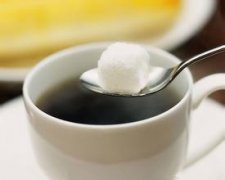
Milk Coffee accompanied by the most beneficial calcium Fine Coffee
Chinese people's daily food structure is lack of adequate calcium intake, coupled with the usual lazy exercise, so people who like to drink coffee should pay attention to calcium supplements. In addition, women after menopause, due to the lack of estrogen, drinking coffee will also cause calcium loss. Adults who drink coffee regularly can get 100 milligrams of calcium a day, or at least one glass of milk a day to supplement calcium.

Coffee common sense Milk Coffee is the best calcium supplement.
Chinese people's daily food structure is lack of adequate calcium intake, coupled with the usual lazy exercise, so people who like to drink coffee should pay attention to calcium supplements. In addition, women after menopause, due to the lack of estrogen, drinking coffee will also cause calcium loss. Adults who drink coffee regularly can get 100 milligrams of calcium a day, or at least one glass of milk a day to supplement calcium.
Is drinking coffee good or bad for your health?
Coffee contains certain nutrients. Nicotinic acid in coffee contains vitamin B, which is higher in roasted coffee beans. And there are free fatty acids, caffeine, tannic acid and so on.

Basic knowledge of coffee who is not suitable to drink coffee?
Coffee is one of the three biggest drinks in the world. Raw coffee contains nutrients such as sugar, protein and fat, and contains a small amount of trace elements and caffeine. Some people rely on high concentrations of coffee to stimulate the brain for a long time, which is not necessarily good. According to the study, after drinking high concentration of coffee, the adrenal gland accumulates in the body, resulting in a faster heartbeat, a significant increase in blood pressure, and